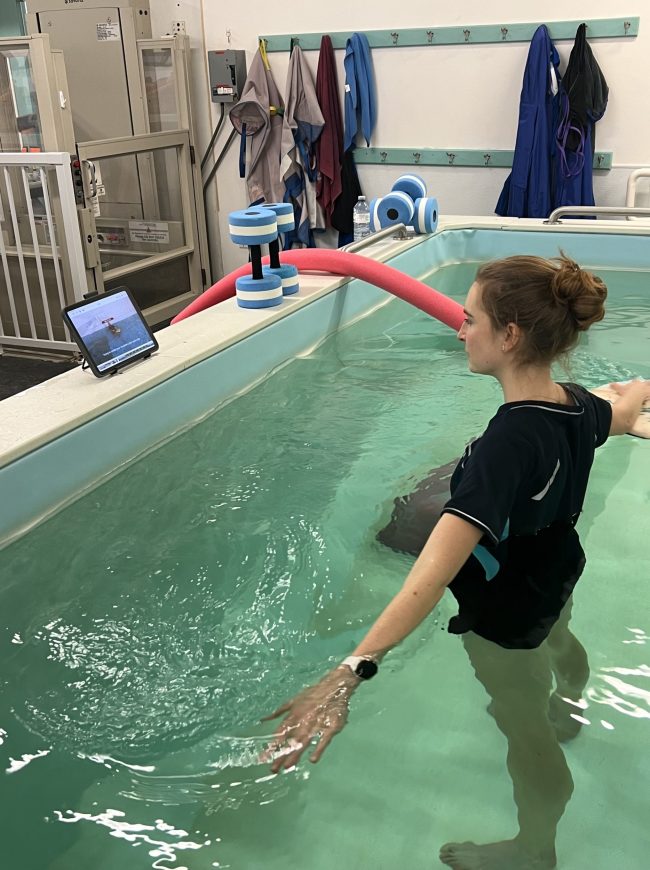
Whether you are preparing for joint replacement, orthopedic surgery, spinal or back surgery, cardiovascular surgery, or another planned procedure, a preoperative rehabilitation programme can help you prepare your body for surgery and support your recovery afterwards.
Preoperative rehabilitation is just as important as post-operative rehabilitation.
Before orthopedic surgery, it helps to understand that your overall health and fitness will affect your recovery. A prehab programme prepares your body for the stress of surgery and builds strength to improve your function both before and after.
Surgery usually involves an incision into a specific part of the body, which results in loss of strength, movement and function in the muscles around the incision site. Building extra muscle beforehand helps maintain your strength and can speed up recovery.
The stronger you are before surgery, the less your muscles will atrophy after it.
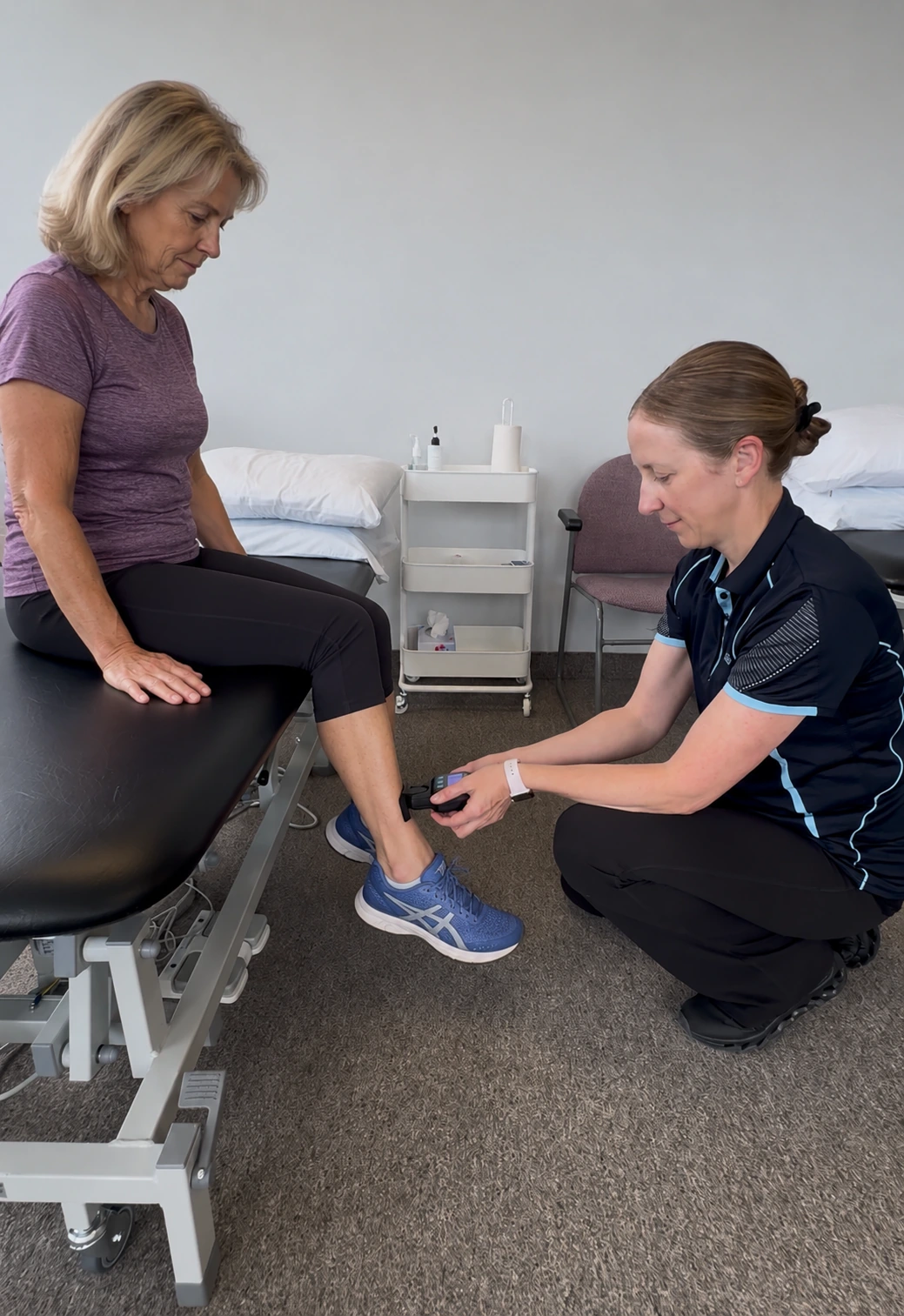
What prehab is for
It is never too early to start pre-op therapy, but at least 4 to 6 weeks before your scheduled surgery is recommended.
Post-op therapy can often begin within weeks of surgery. If you are planning aquatic therapy, you can generally start once the incision has healed, which can be between 15 and 30 days depending on the surgery.
Consult your doctor about when you should start your rehabilitation.
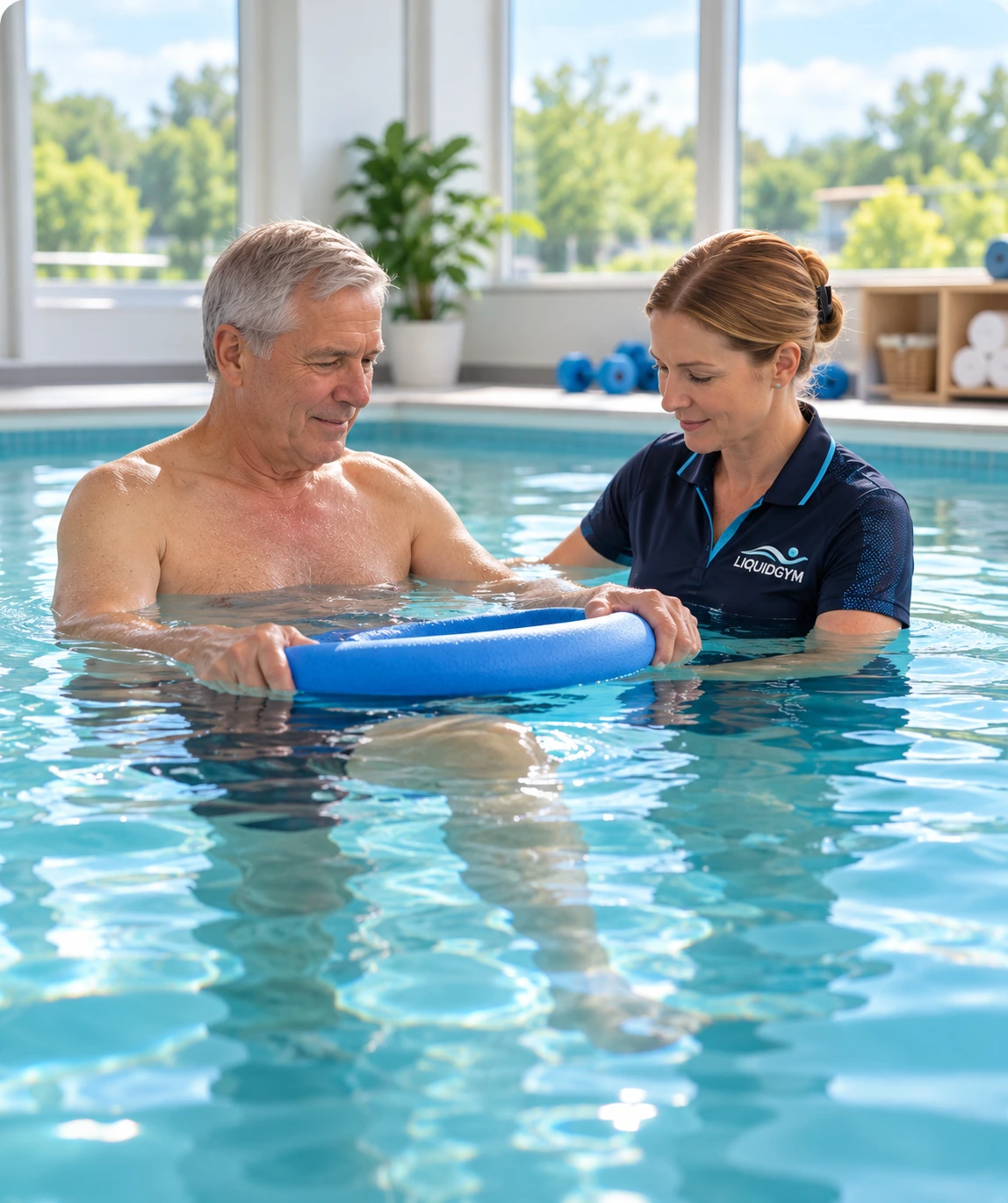
Post-operative rehabilitation rebuilds the strength, movement and function lost around the incision site, and progresses as the tissue heals and tolerates more.
Because the pool reduces load through the joints, water work can allow movement to start earlier and progress more comfortably than land alone would allow, once your incision has healed and your doctor has cleared you.
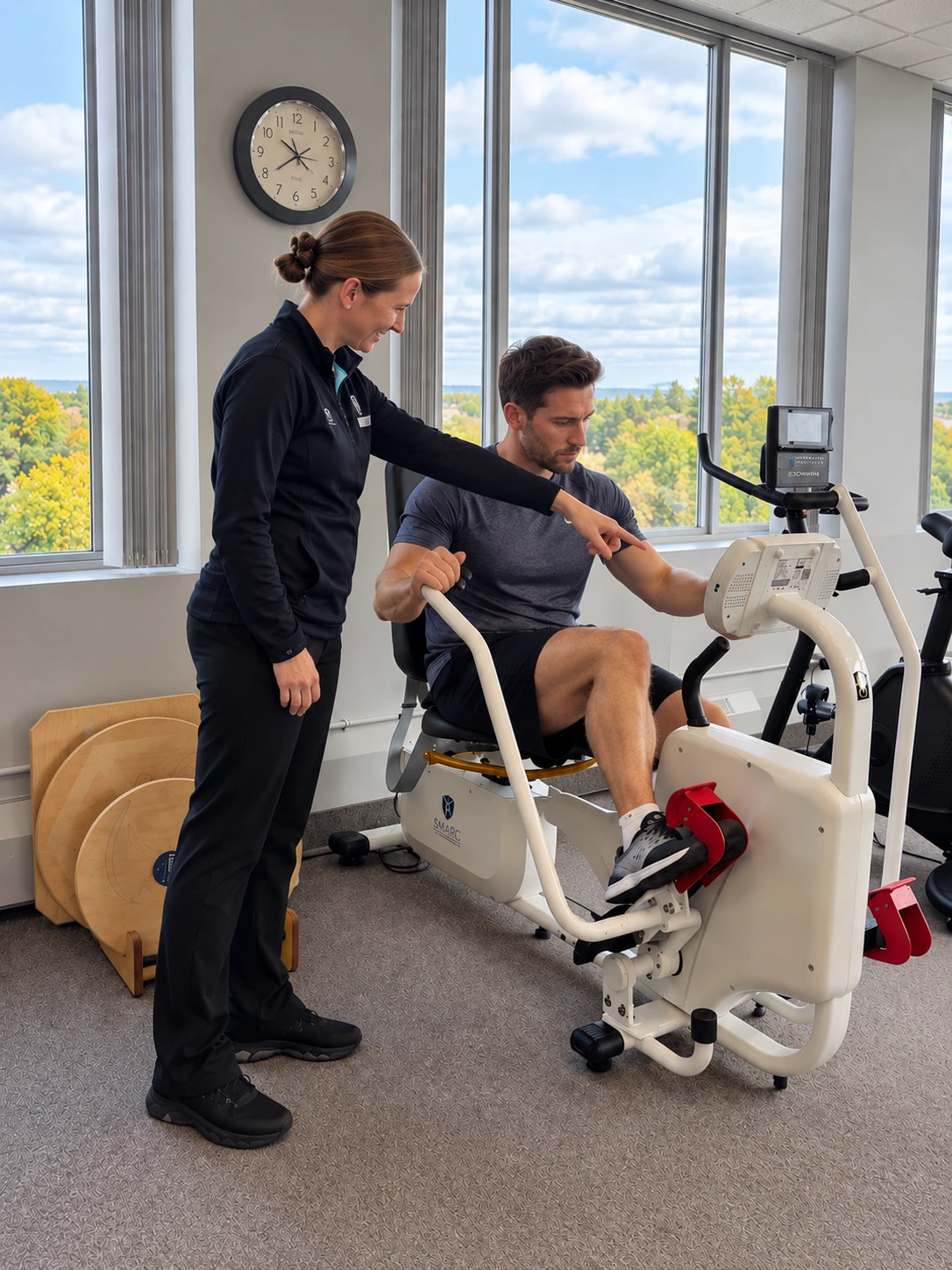
Land-based rehabilitation complements your work in the water by gradually increasing the demands of gravity and full body weight. As recovery progresses, land exercises help rebuild strength, balance, stability and confidence for everyday activities such as standing, walking, climbing stairs, returning to work and getting back to the activities that matter to you.
Water can help you move. Land helps prepare you for where you need to go.
Pre-op and post-op programmes run across two of our therapies. Which one is right for you depends on the procedure, your stage of recovery, and your surgeon's guidance.
Assessment, hands-on treatment and a plan of care through both phases, coordinated with your surgical timeline.
A progressive conditioning programme before surgery and a graded return to function after it, in water, on land, or both.
For an assessment and a detailed plan of care, call LiquidGym at 613-820-8228 to book an appointment with one of our therapists.